
Sign In

Supply Chain Demand Sensing Algorithm
Achieve project success with the Supply Chain Demand Sensing Algorithm today!
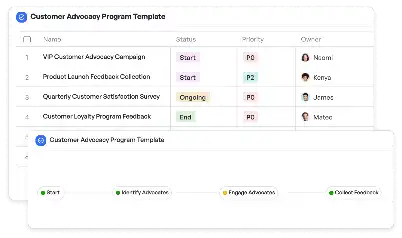
What is Supply Chain Demand Sensing Algorithm?
The Supply Chain Demand Sensing Algorithm is a cutting-edge approach designed to enhance the accuracy of demand forecasting in supply chain management. Unlike traditional methods that rely on historical data, this algorithm incorporates real-time data, such as market trends, weather conditions, and consumer behavior, to predict demand more precisely. This is particularly crucial in industries like retail, pharmaceuticals, and manufacturing, where demand fluctuations can significantly impact inventory levels and operational efficiency. By leveraging advanced machine learning techniques, the algorithm identifies patterns and anomalies, enabling businesses to respond proactively to market changes. For instance, a retail company can use this algorithm to adjust its inventory levels during the holiday season, ensuring that popular items are always in stock while minimizing overstock of less popular products.
Try this template now
Who is this Supply Chain Demand Sensing Algorithm Template for?
This template is ideal for supply chain managers, data analysts, and business strategists who are looking to optimize their demand forecasting processes. It is particularly beneficial for industries that experience high variability in demand, such as retail, healthcare, and consumer goods. For example, a supply chain manager in the pharmaceutical industry can use this template to predict the demand for flu vaccines during the winter season, ensuring that sufficient stock is available to meet the needs of healthcare providers. Similarly, a data analyst in the automotive industry can leverage this algorithm to forecast the demand for specific car parts, enabling manufacturers to adjust their production schedules accordingly.
Try this template now
Why use this Supply Chain Demand Sensing Algorithm?
Traditional demand forecasting methods often fail to account for real-time market dynamics, leading to issues like stockouts or overstocking. The Supply Chain Demand Sensing Algorithm addresses these pain points by providing a more accurate and dynamic approach to demand forecasting. For instance, in the retail industry, this algorithm can help businesses identify emerging trends, such as a sudden increase in demand for a specific product category, and adjust their inventory levels accordingly. In the healthcare sector, it can predict the demand for medical supplies during a pandemic, ensuring that hospitals and clinics are adequately stocked. By using this algorithm, businesses can reduce waste, improve customer satisfaction, and gain a competitive edge in their respective markets.
Try this template now
Get Started with the Supply Chain Demand Sensing Algorithm
Follow these simple steps to get started with Meegle templates:
1. Click 'Get this Free Template Now' to sign up for Meegle.
2. After signing up, you will be redirected to the Supply Chain Demand Sensing Algorithm. Click 'Use this Template' to create a version of this template in your workspace.
3. Customize the workflow and fields of the template to suit your specific needs.
4. Start using the template and experience the full potential of Meegle!
Try this template now
Free forever for teams up to 20!
The world’s #1 visualized project management tool
Powered by the next gen visual workflow engine

Supply Chain Procurement And Planning Management
Supply Chain Demand Shaping Strategy
Start instantly with our Supply Chain Demand Shaping Strategy —ready to use out of the box and always free. Ideal for boosting team productivity!
2025/11/21
2025/11/21
Supply Chain Procurement And Planning Management
Supply Chain Demand Variability Mitigation
Start instantly with our Supply Chain Demand Variability Mitigation —ready to use out of the box and always free. Ideal for boosting team productivity!
2025/11/21
2025/11/21
Supply Chain Procurement And Planning Management
Supply Chain Inventory Carrying Cost Analysis
Start instantly with our Supply Chain Inventory Carrying Cost Analysis —ready to use out of the box and always free. Ideal for boosting team productivity!
2025/11/21
2025/11/21
Supply Chain Procurement And Planning Management
Supply Chain Inventory Health Scorecard
Start instantly with our Supply Chain Inventory Health Scorecard —ready to use out of the box and always free. Ideal for boosting team productivity!
2025/11/21
2025/11/21
Supply Chain Procurement And Planning Management
Supply Chain Inventory Optimization Algorithm
Start instantly with our Supply Chain Inventory Optimization Algorithm —ready to use out of the box and always free. Ideal for boosting team productivity!
2025/11/21
2025/11/21
Supply Chain Procurement And Planning Management
Supply Chain Inventory Positioning Model
Start instantly with our Supply Chain Inventory Positioning Model —ready to use out of the box and always free. Ideal for boosting team productivity!
2025/11/21
2025/11/21
Supply Chain Procurement And Planning Management
Supply Chain Inventory Turns Calculator
Start instantly with our Supply Chain Inventory Turns Calculator —ready to use out of the box and always free. Ideal for boosting team productivity!
2025/11/21
2025/11/21
Supply Chain Procurement And Planning Management
Supply Chain Lead Time Variability Model
Start instantly with our Supply Chain Lead Time Variability Model —ready to use out of the box and always free. Ideal for boosting team productivity!
2025/11/21
2025/11/21


