
Sign In

Technical Debt Refactoring Plan
Achieve project success with the Technical Debt Refactoring Plan today!
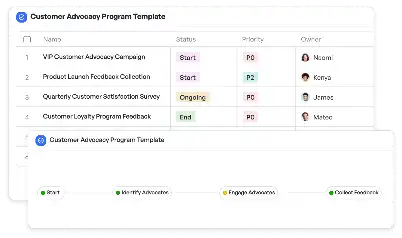
What is Technical Debt Refactoring Plan?
A Technical Debt Refactoring Plan is a structured approach to identifying, prioritizing, and addressing technical debt within a software project. Technical debt refers to the implied cost of additional rework caused by choosing an easy solution now instead of a better approach that would take longer. This plan is crucial for maintaining the long-term health of a codebase, ensuring scalability, and reducing future maintenance costs. For example, in a fast-paced development environment, teams might accumulate technical debt by skipping proper documentation or using quick fixes. Over time, this can lead to reduced productivity and increased risk of system failures. A well-defined refactoring plan helps teams systematically address these issues, ensuring the software remains robust and maintainable.
Try this template now
Who is this Technical Debt Refactoring Plan Template for?
This template is designed for software development teams, project managers, and technical leads who are responsible for maintaining and improving code quality. It is particularly useful for teams working on legacy systems, startups scaling their products, or organizations undergoing digital transformation. Typical roles that benefit from this plan include software engineers, quality assurance specialists, and DevOps professionals. For instance, a technical lead in a fintech company might use this plan to refactor a payment processing module to ensure compliance with new regulations while improving performance.
Try this template now
Why use this Technical Debt Refactoring Plan?
Technical debt can lead to significant challenges, such as increased development time, higher defect rates, and difficulty in implementing new features. This template addresses these pain points by providing a clear framework for identifying and prioritizing technical debt items. For example, it helps teams focus on high-impact areas, such as refactoring a critical API that frequently causes outages. Additionally, the plan includes steps for testing and deploying changes, ensuring that refactoring efforts do not introduce new issues. By using this template, teams can systematically reduce technical debt, improve code quality, and enhance the overall stability of their software systems.
Try this template now
Get Started with the Technical Debt Refactoring Plan
Follow these simple steps to get started with Meegle templates:
1. Click 'Get this Free Template Now' to sign up for Meegle.
2. After signing up, you will be redirected to the Technical Debt Refactoring Plan. Click 'Use this Template' to create a version of this template in your workspace.
3. Customize the workflow and fields of the template to suit your specific needs.
4. Start using the template and experience the full potential of Meegle!
Try this template now
Free forever for teams up to 20!
The world’s #1 visualized project management tool
Powered by the next gen visual workflow engine

Enterprise Services Software Development
Technical Debt ROI Calculator Template
Start instantly with our Technical Debt ROI Calculator Template —ready to use out of the box and always free. Ideal for boosting team productivity!
2025/12/22
2025/12/22
Enterprise Services Software Development
Technical Debt Tracking Template
Start instantly with our Technical Debt Tracking Template —ready to use out of the box and always free. Ideal for boosting team productivity!
2025/12/22
2025/12/22
Enterprise Services Software Development
Technical Debt Visualization Template
Start instantly with our Technical Debt Visualization Template —ready to use out of the box and always free. Ideal for boosting team productivity!
2025/12/22
2025/12/22
Enterprise Services Software Development
Technical Documentation Framework
Start instantly with our Technical Documentation Framework —ready to use out of the box and always free. Ideal for boosting team productivity!
2025/12/22
2025/12/22
Enterprise Services Software Development
Technical Interview Evaluation Template
Start instantly with our Technical Interview Evaluation Template —ready to use out of the box and always free. Ideal for boosting team productivity!
2025/12/22
2025/12/22
Enterprise Services Software Development
Technical Onboarding Checklist Template
Start instantly with our Technical Onboarding Checklist Template —ready to use out of the box and always free. Ideal for boosting team productivity!
2025/12/22
2025/12/22
Enterprise Services Software Development
Technical Pre-Sales Demo Template
Start instantly with our Technical Pre-Sales Demo Template —ready to use out of the box and always free. Ideal for boosting team productivity!
2025/12/22
2025/12/22
Enterprise Services Software Development
Technical Proposal Writing Template
Start instantly with our Technical Proposal Writing Template —ready to use out of the box and always free. Ideal for boosting team productivity!
2025/12/22
2025/12/22


