
Sign In

Technical Debt Severity Classification
Achieve project success with the Technical Debt Severity Classification today!
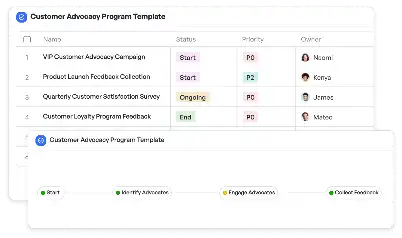
What is Technical Debt Severity Classification?
Technical Debt Severity Classification is a systematic approach to identifying, categorizing, and prioritizing technical debt within software development projects. Technical debt refers to the implied cost of additional rework caused by choosing an easy solution now instead of using a better approach that would take longer. This classification helps teams understand the impact of technical debt on their projects, enabling them to make informed decisions about which issues to address first. For example, a team working on a legacy system might use this classification to determine whether outdated code or unoptimized database queries are causing performance bottlenecks. By understanding the severity of each issue, teams can allocate resources effectively and ensure long-term project sustainability.
Try this template now
Who is this Technical Debt Severity Classification Template for?
This Technical Debt Severity Classification template is designed for software development teams, project managers, and technical leads who need to manage and mitigate technical debt effectively. It is particularly useful for organizations dealing with legacy systems, startups scaling their technology stack, and enterprises aiming to maintain high-quality software standards. Typical roles that benefit from this template include software architects, quality assurance engineers, and DevOps specialists. For instance, a DevOps team might use this template to classify and prioritize technical debt related to infrastructure automation, while a QA engineer could focus on identifying testing-related debts.
Try this template now
Why use this Technical Debt Severity Classification?
Using the Technical Debt Severity Classification template addresses specific pain points in software development. For example, teams often struggle with identifying which technical debts have the most significant impact on performance, security, or scalability. This template provides a structured framework to evaluate these factors, ensuring that critical issues are addressed first. Additionally, it helps in aligning cross-functional teams by providing a common language and criteria for discussing technical debt. For instance, a team might discover that unoptimized database queries are causing slow response times during peak hours. By classifying this issue as high severity, they can prioritize its resolution, thereby improving user experience and system reliability.
Try this template now
Get Started with the Technical Debt Severity Classification
Follow these simple steps to get started with Meegle templates:
1. Click 'Get this Free Template Now' to sign up for Meegle.
2. After signing up, you will be redirected to the Technical Debt Severity Classification. Click 'Use this Template' to create a version of this template in your workspace.
3. Customize the workflow and fields of the template to suit your specific needs.
4. Start using the template and experience the full potential of Meegle!
Try this template now
Free forever for teams up to 20!
The world’s #1 visualized project management tool
Powered by the next gen visual workflow engine

Enterprise Services Software Development
Technical Debt Sprint Planning Template
Start instantly with our Technical Debt Sprint Planning Template —ready to use out of the box and always free. Ideal for boosting team productivity!
2025/12/22
2025/12/22
Enterprise Services Software Development
Technical Debt Tracking Dashboard
Start instantly with our Technical Debt Tracking Dashboard —ready to use out of the box and always free. Ideal for boosting team productivity!
2025/12/22
2025/12/22
Enterprise Services Software Development
Technical Debt Tracking Integration Plan
Start instantly with our Technical Debt Tracking Integration Plan —ready to use out of the box and always free. Ideal for boosting team productivity!
2025/12/22
2025/12/22
Enterprise Services Software Development
Technical Debt Visualization Dashboard
Start instantly with our Technical Debt Visualization Dashboard —ready to use out of the box and always free. Ideal for boosting team productivity!
2025/12/22
2025/12/22
Enterprise Services Software Development
Technical Debt Workflow Integration Guide
Start instantly with our Technical Debt Workflow Integration Guide —ready to use out of the box and always free. Ideal for boosting team productivity!
2025/12/22
2025/12/22
Enterprise Services Software Development
Technical Documentation Review Checklist
Start instantly with our Technical Documentation Review Checklist —ready to use out of the box and always free. Ideal for boosting team productivity!
2025/12/22
2025/12/22
Enterprise Services Software Development
Technical Onboarding Playbook Template
Start instantly with our Technical Onboarding Playbook Template —ready to use out of the box and always free. Ideal for boosting team productivity!
2025/12/22
2025/12/22
Enterprise Services Software Development
Technical Support SLA Compliance Tracker
Start instantly with our Technical Support SLA Compliance Tracker —ready to use out of the box and always free. Ideal for boosting team productivity!
2025/12/22
2025/12/22


