
Sign In

Design for Machining Feasibility
Achieve project success with the Design for Machining Feasibility today!
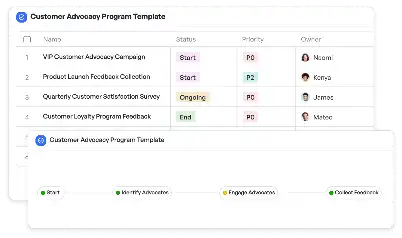
What is Design for Machining Feasibility?
Design for Machining Feasibility refers to the process of evaluating and optimizing a design to ensure it can be efficiently and effectively manufactured using machining processes. This involves analyzing factors such as material properties, tooling requirements, and machining techniques to identify potential challenges and solutions. In industries like aerospace, automotive, and medical devices, where precision and reliability are critical, ensuring machining feasibility is paramount. For instance, a poorly designed component might lead to excessive material waste, increased production costs, or even failure during operation. By focusing on machining feasibility during the design phase, engineers can mitigate these risks and ensure a smoother production process.
Try this template now
Who is this Design for Machining Feasibility Template for?
This template is ideal for engineers, product designers, and manufacturing teams who are involved in the development of machined components. Typical roles include mechanical engineers, CAD designers, and production managers. For example, a mechanical engineer working on an aerospace component can use this template to evaluate the feasibility of machining a complex turbine blade. Similarly, a production manager in the automotive industry can leverage the template to streamline the manufacturing process for engine components. By providing a structured approach to assessing machining feasibility, this template helps professionals across various industries ensure their designs are both practical and cost-effective.
Try this template now
Why use this Design for Machining Feasibility?
One of the primary challenges in machining is balancing design complexity with manufacturability. For instance, intricate designs might require specialized tooling or advanced machining techniques, leading to higher costs and longer production times. This template addresses these pain points by providing a systematic approach to evaluating machining feasibility. It helps identify potential issues early in the design phase, such as material incompatibilities or tooling limitations, and offers solutions to overcome them. Additionally, the template facilitates collaboration between design and manufacturing teams, ensuring that all stakeholders are aligned on the feasibility and practicality of the design. By using this template, teams can reduce production risks, optimize costs, and deliver high-quality machined components.
Try this template now
Get Started with the Design for Machining Feasibility
Follow these simple steps to get started with Meegle templates:
1. Click 'Get this Free Template Now' to sign up for Meegle.
2. After signing up, you will be redirected to the Design for Machining Feasibility. Click 'Use this Template' to create a version of this template in your workspace.
3. Customize the workflow and fields of the template to suit your specific needs.
4. Start using the template and experience the full potential of Meegle!
Try this template now
Free forever for teams up to 20!
The world’s #1 visualized project management tool
Powered by the next gen visual workflow engine

Integrated Product Development
Design for Maintenance Checklist
Start instantly with our Design for Maintenance Checklist —ready to use out of the box and always free. Ideal for boosting team productivity!
2025/10/21
2025/10/21
Integrated Product Development
Design for Manufacturability Scorecard
Start instantly with our Design for Manufacturability Scorecard —ready to use out of the box and always free. Ideal for boosting team productivity!
2025/10/21
2025/10/21
Integrated Product Development
Design for Medical Grade Compliance
Start instantly with our Design for Medical Grade Compliance —ready to use out of the box and always free. Ideal for boosting team productivity!
2025/10/21
2025/10/21
Integrated Product Development
Design for Moldability Assessment
Start instantly with our Design for Moldability Assessment —ready to use out of the box and always free. Ideal for boosting team productivity!
2025/10/21
2025/10/21
Integrated Product Development
Design for Packaging Checklist
Start instantly with our Design for Packaging Checklist —ready to use out of the box and always free. Ideal for boosting team productivity!
2025/10/21
2025/10/21
Integrated Product Development
Design for Paintability Checklist
Start instantly with our Design for Paintability Checklist —ready to use out of the box and always free. Ideal for boosting team productivity!
2025/10/21
2025/10/21
Integrated Product Development
Design for Part Consolidation
Start instantly with our Design for Part Consolidation —ready to use out of the box and always free. Ideal for boosting team productivity!
2025/10/21
2025/10/21
Integrated Product Development
Design for Pressure Variations
Start instantly with our Design for Pressure Variations —ready to use out of the box and always free. Ideal for boosting team productivity!
2025/10/21
2025/10/21


