
Sign In

Project Schedule Compression Techniques
Achieve project success with the Project Schedule Compression Techniques today!
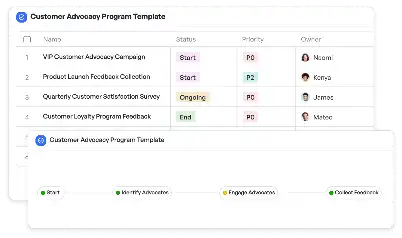
What is Project Schedule Compression Techniques?
Project Schedule Compression Techniques are methodologies used to shorten the project timeline without compromising the project scope or quality. These techniques are particularly crucial in industries where time-to-market is critical, such as software development, construction, and event planning. By employing methods like crashing and fast-tracking, project managers can identify tasks that can be performed simultaneously or allocate additional resources to critical tasks. For example, in a software development project, fast-tracking might involve overlapping the design and coding phases, while crashing could mean adding more developers to a critical task. These techniques are indispensable for meeting tight deadlines, managing unexpected delays, or accommodating last-minute changes in project requirements.
Try this template now
Who is this Project Schedule Compression Techniques Template for?
This template is designed for project managers, team leads, and stakeholders who are responsible for delivering projects on time. It is particularly beneficial for professionals in fast-paced industries such as technology, construction, and event management. Typical roles include project coordinators who need to manage multiple timelines, resource managers who allocate team members to tasks, and executives who require quick project turnarounds to meet business objectives. For instance, a construction project manager can use this template to adjust schedules when faced with weather delays, while a marketing team lead might use it to compress timelines for a product launch campaign.
Try this template now
Why use this Project Schedule Compression Techniques?
The primary advantage of using Project Schedule Compression Techniques is their ability to address specific challenges in time-sensitive projects. For example, in construction, unexpected delays like weather conditions can disrupt timelines. By using techniques like crashing, additional resources can be allocated to critical tasks to make up for lost time. In software development, fast-tracking allows overlapping of tasks like coding and testing, reducing the overall project duration. These techniques also help in identifying and mitigating risks associated with compressed schedules, such as resource overloading or quality issues. By providing a structured approach to timeline adjustments, this template ensures that projects are completed within the desired timeframe without sacrificing quality or scope.
Try this template now
Get Started with the Project Schedule Compression Techniques
Follow these simple steps to get started with Meegle templates:
1. Click 'Get this Free Template Now' to sign up for Meegle.
2. After signing up, you will be redirected to the Project Schedule Compression Techniques. Click 'Use this Template' to create a version of this template in your workspace.
3. Customize the workflow and fields of the template to suit your specific needs.
4. Start using the template and experience the full potential of Meegle!
Try this template now
Free forever for teams up to 20!
The world’s #1 visualized project management tool
Powered by the next gen visual workflow engine

Opportunity To Delivery Management
Project Schedule Performance Index
Start instantly with our Project Schedule Performance Index —ready to use out of the box and always free. Ideal for boosting team productivity!
2025/12/26
2025/12/26
Opportunity To Delivery Management
Project Scope Baseline Documentation
Start instantly with our Project Scope Baseline Documentation —ready to use out of the box and always free. Ideal for boosting team productivity!
2025/12/26
2025/12/26
Opportunity To Delivery Management
Project Scope Statement Template
Start instantly with our Project Scope Statement Template —ready to use out of the box and always free. Ideal for boosting team productivity!
2025/12/26
2025/12/26
Opportunity To Delivery Management
Project Value Measurement Framework
Start instantly with our Project Value Measurement Framework —ready to use out of the box and always free. Ideal for boosting team productivity!
2025/12/26
2025/12/26
Opportunity To Delivery Management
Project Value Proposition Template
Start instantly with our Project Value Proposition Template —ready to use out of the box and always free. Ideal for boosting team productivity!
2025/12/26
2025/12/26
Opportunity To Delivery Management
Requirements Approval Workflow Template
Start instantly with our Requirements Approval Workflow Template —ready to use out of the box and always free. Ideal for boosting team productivity!
2025/12/26
2025/12/26
Opportunity To Delivery Management
Requirements Baseline Documentation
Start instantly with our Requirements Baseline Documentation —ready to use out of the box and always free. Ideal for boosting team productivity!
2025/12/26
2025/12/26
Opportunity To Delivery Management
Requirements Change Control Process
Start instantly with our Requirements Change Control Process —ready to use out of the box and always free. Ideal for boosting team productivity!
2025/12/26
2025/12/26


