
Sign In

Technical Sprint Retrospective Issue Management Plan
Achieve project success with the Technical Sprint Retrospective Issue Management Plan today!
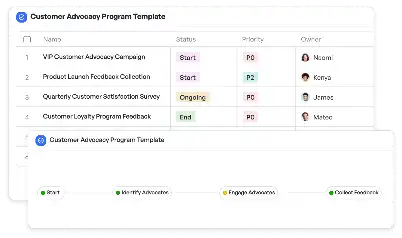
What is Technical Sprint Retrospective Issue Management Plan?
The Technical Sprint Retrospective Issue Management Plan is a structured framework designed to help teams analyze and address issues encountered during a sprint. This template is particularly valuable in agile project management, where sprints are short, iterative cycles aimed at delivering specific project goals. By focusing on retrospectives, teams can identify what went well, what didn’t, and what can be improved for future sprints. This plan is essential for maintaining a high-performing team, as it ensures that lessons learned are documented and actionable steps are taken to resolve recurring issues. For example, in a software development project, this plan can help identify bottlenecks in the development pipeline, such as delays in code reviews or testing, and propose solutions to mitigate these challenges.
Try this template now
Who is this Technical Sprint Retrospective Issue Management Plan Template for?
This template is ideal for agile teams, including Scrum Masters, Product Owners, and Development Team Members, who are involved in sprint planning and execution. It is also beneficial for project managers and quality assurance teams who need to track and resolve issues systematically. For instance, a Scrum Master can use this template to facilitate retrospective meetings, while a Product Owner can leverage it to prioritize action items that align with the product roadmap. Additionally, it serves as a valuable tool for cross-functional teams working on complex projects, such as integrating new technologies or launching a product in a competitive market.
Try this template now
Why use this Technical Sprint Retrospective Issue Management Plan?
The Technical Sprint Retrospective Issue Management Plan addresses specific pain points in sprint retrospectives, such as lack of actionable insights, recurring issues, and poor team engagement. By using this template, teams can ensure that every retrospective meeting results in clear, actionable outcomes. For example, it provides a structured approach to categorize issues, assign ownership, and set deadlines for resolution. This is particularly useful in scenarios where teams face recurring challenges, such as miscommunication between developers and testers or delays in deployment. By addressing these issues systematically, the template helps teams improve their processes and deliver better results in subsequent sprints.
Try this template now
Get Started with the Technical Sprint Retrospective Issue Management Plan
Follow these simple steps to get started with Meegle templates:
1. Click 'Get this Free Template Now' to sign up for Meegle.
2. After signing up, you will be redirected to the Technical Sprint Retrospective Issue Management Plan. Click 'Use this Template' to create a version of this template in your workspace.
3. Customize the workflow and fields of the template to suit your specific needs.
4. Start using the template and experience the full potential of Meegle!
Try this template now
Free forever for teams up to 20!
The world’s #1 visualized project management tool
Powered by the next gen visual workflow engine

Software Project Delivery
Technical Sprint Retrospective Knowledge Management
Start instantly with our Technical Sprint Retrospective Knowledge Management —ready to use out of the box and always free. Ideal for boosting team productivity!
2025/10/26
2025/10/26
Software Project Delivery
Technical Sprint Retrospective Knowledge Management Plan
Start instantly with our Technical Sprint Retrospective Knowledge Management Plan —ready to use out of the box and always free. Ideal for boosting team productivity!
2025/10/26
2025/10/26
Software Project Delivery
Technical Sprint Retrospective Lead Time
Start instantly with our Technical Sprint Retrospective Lead Time —ready to use out of the box and always free. Ideal for boosting team productivity!
2025/10/26
2025/10/26
Software Project Delivery
Technical Sprint Retrospective Metrics
Start instantly with our Technical Sprint Retrospective Metrics —ready to use out of the box and always free. Ideal for boosting team productivity!
2025/10/26
2025/10/26
Software Project Delivery
Technical Sprint Retrospective Milestones
Start instantly with our Technical Sprint Retrospective Milestones —ready to use out of the box and always free. Ideal for boosting team productivity!
2025/10/26
2025/10/26
Software Project Delivery
Technical Sprint Retrospective Objectives
Start instantly with our Technical Sprint Retrospective Objectives —ready to use out of the box and always free. Ideal for boosting team productivity!
2025/10/26
2025/10/26
Software Project Delivery
Technical Sprint Retrospective Observations
Start instantly with our Technical Sprint Retrospective Observations —ready to use out of the box and always free. Ideal for boosting team productivity!
2025/10/26
2025/10/26
Software Project Delivery
Technical Sprint Retrospective Opportunities
Start instantly with our Technical Sprint Retrospective Opportunities —ready to use out of the box and always free. Ideal for boosting team productivity!
2025/10/26
2025/10/26


