
Sign In

Supplier Incident Response Protocol
Achieve project success with the Supplier Incident Response Protocol today!
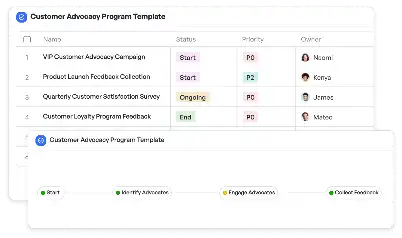
What is Supplier Incident Response Protocol?
The Supplier Incident Response Protocol is a structured framework designed to address and manage incidents involving suppliers effectively. In today's interconnected supply chain networks, incidents such as data breaches, system outages, or compliance violations can have cascading effects on businesses. This protocol ensures that organizations can quickly identify, assess, and mitigate supplier-related incidents to minimize disruptions. By incorporating industry best practices and leveraging real-time communication channels, the protocol provides a robust mechanism to handle incidents efficiently. For example, in the case of a supplier's system failure, this protocol outlines steps to assess the impact, communicate with stakeholders, and implement contingency plans. Its importance lies in its ability to safeguard business continuity and maintain trust in supplier relationships.
Try this template now
Who is this Supplier Incident Response Protocol Template for?
This Supplier Incident Response Protocol template is tailored for supply chain managers, procurement officers, risk management teams, and IT security professionals. It is particularly beneficial for organizations that rely heavily on third-party suppliers for critical operations. Typical roles include vendor relationship managers who need to ensure compliance, IT teams responsible for monitoring supplier systems, and legal teams addressing contractual obligations during incidents. For instance, a procurement officer can use this template to coordinate with suppliers during a data breach, while an IT security team can follow the outlined steps to contain and resolve cybersecurity threats originating from a supplier.
Try this template now
Why use this Supplier Incident Response Protocol?
Supplier-related incidents often pose unique challenges, such as lack of visibility into supplier operations, delayed communication, and compliance risks. This protocol addresses these pain points by providing a clear roadmap for incident management. For example, it includes predefined communication templates to ensure timely updates to stakeholders, reducing delays in response. It also outlines specific roles and responsibilities, ensuring accountability during critical situations. Additionally, the protocol incorporates compliance checklists to help organizations adhere to regulatory requirements, such as GDPR or CCPA, when dealing with supplier data breaches. By using this template, organizations can proactively manage risks, maintain operational resilience, and protect their reputation in the face of supplier-related incidents.
Try this template now
Get Started with the Supplier Incident Response Protocol
Follow these simple steps to get started with Meegle templates:
1. Click 'Get this Free Template Now' to sign up for Meegle.
2. After signing up, you will be redirected to the Supplier Incident Response Protocol. Click 'Use this Template' to create a version of this template in your workspace.
3. Customize the workflow and fields of the template to suit your specific needs.
4. Start using the template and experience the full potential of Meegle!
Try this template now
Free forever for teams up to 20!
The world’s #1 visualized project management tool
Powered by the next gen visual workflow engine

Supply Chain Procurement And Planning Management
Supplier Innovation Collaboration Framework
Start instantly with our Supplier Innovation Collaboration Framework —ready to use out of the box and always free. Ideal for boosting team productivity!
2025/11/21
2025/11/21
Supply Chain Procurement And Planning Management
Supplier Localization Strategy Template
Start instantly with our Supplier Localization Strategy Template —ready to use out of the box and always free. Ideal for boosting team productivity!
2025/11/21
2025/11/21
Supply Chain Procurement And Planning Management
Supplier Onboarding Risk Assessment
Start instantly with our Supplier Onboarding Risk Assessment —ready to use out of the box and always free. Ideal for boosting team productivity!
2025/11/21
2025/11/21
Supply Chain Procurement And Planning Management
Supplier Payment Fraud Prevention Guide
Start instantly with our Supplier Payment Fraud Prevention Guide —ready to use out of the box and always free. Ideal for boosting team productivity!
2025/11/21
2025/11/21
Supply Chain Procurement And Planning Management
Supplier Payment Term Optimization Guide
Start instantly with our Supplier Payment Term Optimization Guide —ready to use out of the box and always free. Ideal for boosting team productivity!
2025/11/21
2025/11/21
Supply Chain Procurement And Planning Management
Supplier Penalty Clause Enforcement Guide
Start instantly with our Supplier Penalty Clause Enforcement Guide —ready to use out of the box and always free. Ideal for boosting team productivity!
2025/11/21
2025/11/21
Supply Chain Procurement And Planning Management
Supplier Performance Improvement KPI
Start instantly with our Supplier Performance Improvement KPI —ready to use out of the box and always free. Ideal for boosting team productivity!
2025/11/21
2025/11/21
Supply Chain Procurement And Planning Management
Supplier Performance Scorecard Template
Start instantly with our Supplier Performance Scorecard Template —ready to use out of the box and always free. Ideal for boosting team productivity!
2025/11/21
2025/11/21


