
Sign In

EEG Signal Artifact Rejection Criteria
Achieve project success with the EEG Signal Artifact Rejection Criteria today!
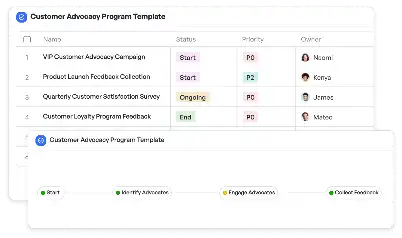
What is EEG Signal Artifact Rejection Criteria?
EEG Signal Artifact Rejection Criteria refers to the systematic approach used to identify and eliminate unwanted noise or artifacts from EEG recordings. These artifacts can originate from various sources such as muscle movements, eye blinks, or external electrical interference, which can compromise the accuracy of EEG data analysis. This template is designed to streamline the process of artifact rejection, ensuring that the EEG signals are clean and reliable for further analysis. In clinical and research settings, the importance of artifact rejection cannot be overstated, as it directly impacts the validity of findings in areas like neurofeedback, cognitive studies, and medical diagnostics.
Try this template now
Who is this EEG Signal Artifact Rejection Criteria Template for?
This template is ideal for neuroscientists, clinical researchers, and data analysts working in the field of EEG signal processing. It is particularly useful for professionals involved in brain-computer interface development, neurofeedback training, and cognitive neuroscience studies. Typical roles include EEG technicians, biomedical engineers, and research scientists who require a structured approach to handle signal artifacts effectively.
Try this template now
Why use this EEG Signal Artifact Rejection Criteria?
The EEG Signal Artifact Rejection Criteria template addresses specific challenges such as the identification of subtle artifacts that may not be immediately visible, the classification of noise types, and the reconstruction of clean signals for accurate analysis. By using this template, users can ensure that their EEG data is free from distortions, enabling precise interpretations in applications like epilepsy detection, sleep studies, and neurofeedback sessions. This targeted approach saves time and enhances the reliability of EEG-based research and clinical outcomes.
Try this template now
Get Started with the EEG Signal Artifact Rejection Criteria
Follow these simple steps to get started with Meegle templates:
1. Click 'Get this Free Template Now' to sign up for Meegle.
2. After signing up, you will be redirected to the EEG Signal Artifact Rejection Criteria. Click 'Use this Template' to create a version of this template in your workspace.
3. Customize the workflow and fields of the template to suit your specific needs.
4. Start using the template and experience the full potential of Meegle!
Try this template now
Free forever for teams up to 20!
The world’s #1 visualized project management tool
Powered by the next gen visual workflow engine

Neurofeedback Optimization
EEG Signal Artifact Rejection Standard
Start instantly with our EEG Signal Artifact Rejection Standard —ready to use out of the box and always free. Ideal for boosting team productivity!
2025/7/30
2025/7/30
Neurofeedback Optimization
EEG Signal Processing Optimization Guide
Start instantly with our EEG Signal Processing Optimization Guide —ready to use out of the box and always free. Ideal for boosting team productivity!
2025/7/30
2025/7/30
Neurofeedback Optimization
EEG Signal Processing Optimization Template
Start instantly with our EEG Signal Processing Optimization Template —ready to use out of the box and always free. Ideal for boosting team productivity!
2025/7/30
2025/7/30
Neurofeedback Optimization
EEG Signal Processing Pipeline Optimizer
Start instantly with our EEG Signal Processing Pipeline Optimizer —ready to use out of the box and always free. Ideal for boosting team productivity!
2025/7/30
2025/7/30
Neurofeedback Optimization
EEG Signal Processing Pipeline Template
Start instantly with our EEG Signal Processing Pipeline Template —ready to use out of the box and always free. Ideal for boosting team productivity!
2025/7/30
2025/7/30
Neurofeedback Optimization
EEG Signal Quality Assurance Protocol
Start instantly with our EEG Signal Quality Assurance Protocol —ready to use out of the box and always free. Ideal for boosting team productivity!
2025/7/30
2025/7/30
Neurofeedback Optimization
EEG Signal Quality Assurance Template
Start instantly with our EEG Signal Quality Assurance Template —ready to use out of the box and always free. Ideal for boosting team productivity!
2025/7/30
2025/7/30
Neurofeedback Optimization
EEG Signal Quality Metrics Dashboard
Start instantly with our EEG Signal Quality Metrics Dashboard —ready to use out of the box and always free. Ideal for boosting team productivity!
2025/7/30
2025/7/30


