
Sign In

Lab Incident Response Protocol
Achieve project success with the Lab Incident Response Protocol today!
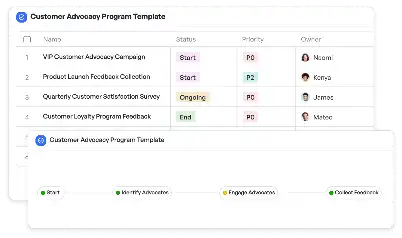
What is Lab Incident Response Protocol?
The Lab Incident Response Protocol is a structured framework designed to address and manage incidents that occur within laboratory environments. These incidents can range from chemical spills, biological hazards, equipment malfunctions, to data breaches. Laboratories, being high-risk environments, require a robust response protocol to ensure safety, compliance, and minimal disruption to operations. This protocol outlines the steps to identify, assess, contain, and resolve incidents effectively. For instance, in a scenario where a chemical spill occurs, the protocol ensures that the right containment measures are taken immediately, preventing harm to personnel and the environment. The importance of such a protocol cannot be overstated, as it not only safeguards human lives but also protects valuable research and equipment from irreversible damage.
Try this template now
Who is this Lab Incident Response Protocol Template for?
This Lab Incident Response Protocol template is tailored for laboratory managers, safety officers, research scientists, and technical staff who operate in high-stakes environments. It is particularly beneficial for industries such as pharmaceuticals, biotechnology, academic research, and healthcare laboratories. Typical roles include the Lab Safety Officer, who oversees compliance and safety measures; the Research Scientist, who ensures experiments are conducted safely; and the Facility Manager, who coordinates resources during an incident. This template is also invaluable for emergency response teams who need a clear and concise guide to manage laboratory incidents effectively.
Try this template now
Why use this Lab Incident Response Protocol?
Laboratory environments are fraught with unique challenges, such as handling hazardous materials, ensuring equipment integrity, and maintaining data security. Without a clear protocol, incidents can escalate, leading to severe consequences like contamination, legal liabilities, or even loss of life. This template addresses these pain points by providing a step-by-step guide for incident identification, containment, and resolution. For example, in the event of a biological hazard, the protocol ensures that containment measures are implemented swiftly, reducing the risk of cross-contamination. Additionally, it includes a post-incident review process to identify gaps and improve future responses. By using this template, laboratories can ensure a safer, more compliant, and efficient operational environment.
Try this template now
Get Started with the Lab Incident Response Protocol
Follow these simple steps to get started with Meegle templates:
1. Click 'Get this Free Template Now' to sign up for Meegle.
2. After signing up, you will be redirected to the Lab Incident Response Protocol. Click 'Use this Template' to create a version of this template in your workspace.
3. Customize the workflow and fields of the template to suit your specific needs.
4. Start using the template and experience the full potential of Meegle!
Try this template now
Free forever for teams up to 20!
The world’s #1 visualized project management tool
Powered by the next gen visual workflow engine

Scientific Research Project Management
Lab Inventory Management System
Start instantly with our Lab Inventory Management System —ready to use out of the box and always free. Ideal for boosting team productivity!
2025/12/26
2025/12/26
Scientific Research Project Management
Lab Protocol Deviation Management
Start instantly with our Lab Protocol Deviation Management —ready to use out of the box and always free. Ideal for boosting team productivity!
2025/12/26
2025/12/26
Scientific Research Project Management
Lab Protocol Exception Tracking
Start instantly with our Lab Protocol Exception Tracking —ready to use out of the box and always free. Ideal for boosting team productivity!
2025/12/26
2025/12/26
Scientific Research Project Management
Lab Protocol Training Checklist
Start instantly with our Lab Protocol Training Checklist —ready to use out of the box and always free. Ideal for boosting team productivity!
2025/12/26
2025/12/26
Scientific Research Project Management
Lab Protocol Version Control System
Start instantly with our Lab Protocol Version Control System —ready to use out of the box and always free. Ideal for boosting team productivity!
2025/12/26
2025/12/26
Scientific Research Project Management
Lab Protocol Version History
Start instantly with our Lab Protocol Version History —ready to use out of the box and always free. Ideal for boosting team productivity!
2025/12/26
2025/12/26
Scientific Research Project Management
Lab Safety Audit Corrective Actions
Start instantly with our Lab Safety Audit Corrective Actions —ready to use out of the box and always free. Ideal for boosting team productivity!
2025/12/26
2025/12/26
Scientific Research Project Management
Lab Safety Equipment Checklist
Start instantly with our Lab Safety Equipment Checklist —ready to use out of the box and always free. Ideal for boosting team productivity!
2025/12/26
2025/12/26


